An eye test takes twenty minutes, and nothing hurts.
11:00 am to 8:00 pm · seven days
What happens
About 20 minutes · nothing in it touches your eye
-
We ask what brought you in What brought you in, when it started, and what you do all day. Bring your present spectacles.
-
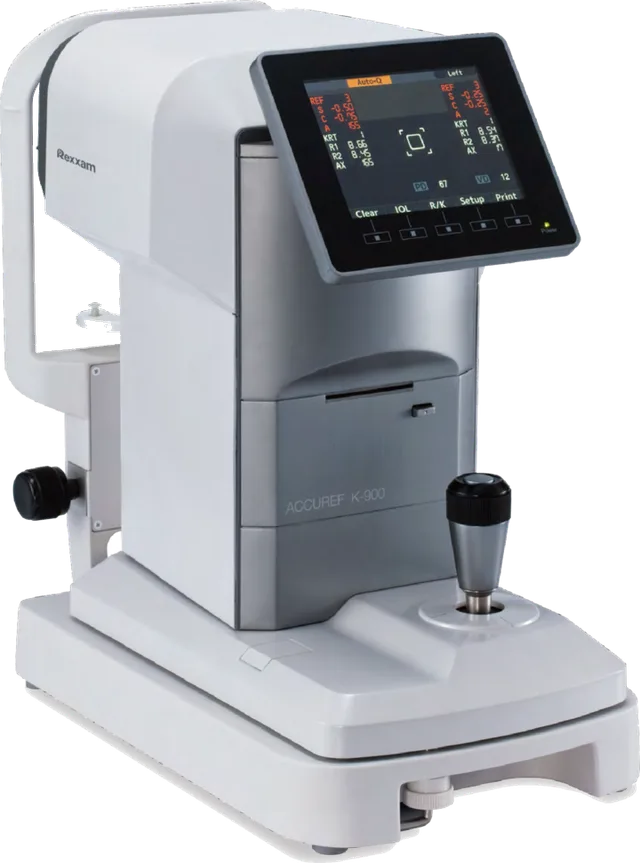
A first reading by machine Chin on the rest, look at the picture inside. A few seconds, no puff of air. A starting number, not the answer.
-
The proper refraction, by hand A trial frame on your face, lenses in one at a time, while you read the chart. Which is clearer? There is no wrong answer.
-
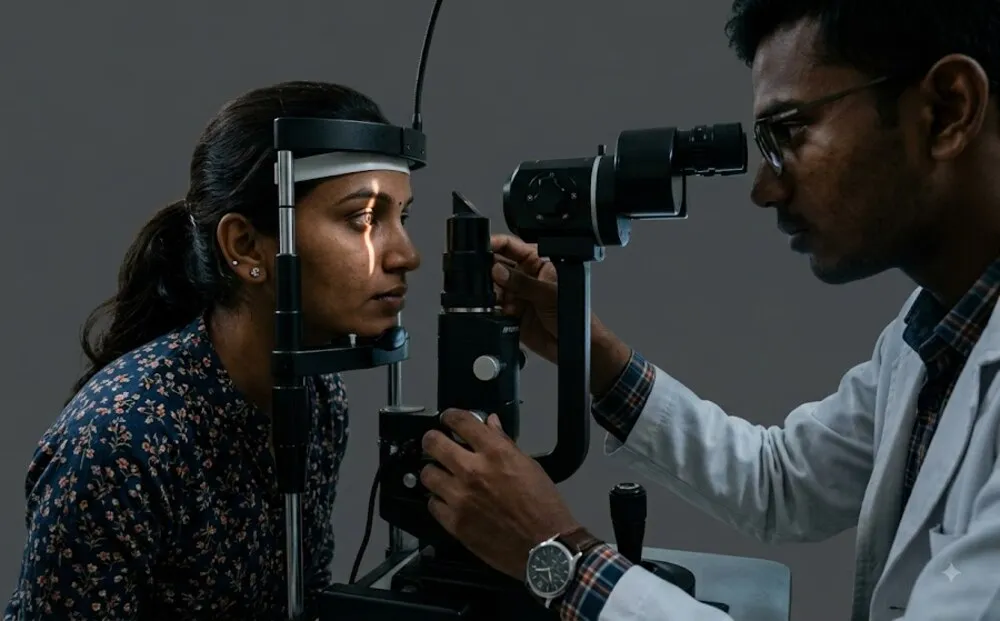
A look at the front of your eye Bright light, high magnification. It is how a cataract is found forming, and how dry eye is told apart from allergy.
-
We tell you what we found In plain language, with the numbers, and what has changed since last time.
- Done
When to come
- Distance or print has gone blurred, or you are holding things further away to read them
- Headaches towards the end of the day, or after screen work
- Your spectacles are more than two years old, or the prescription no longer feels right
- One eye seems to be doing more of the work than the other
- You are straining to read at the distance you work at
- Your child sits close to the television, squints, or has been moved to the front of the class
- Your eyes water, itch, burn or feel gritty
- You have diabetes, and it is time for the yearly look
Anything urgent
- Sudden loss of vision
- Sudden pain
- A curtain or shadow across your sight
- Flashes with a shower of new floaters
- An injury to the eye
None of these should wait for a convenient time. Telephone us and come in, or go straight to a hospital eye department.
The doctor did a very detailed and thorough eye checkup. Most polite and humble Dr. that I have ever seen.
Walk in today.
No appointment needed. Open eleven to eight, seven days a week.